Feeling a “Heaviness” Down There? Why Bladder Prolapse Doesn’t Mean You’re Broken
Experiencing pelvic heaviness or a bulging sensation? Learn why bladder prolapse happens, how holistic pelvic floor OT can help, and why you aren’t broken.
1. It’s Not Just in Your Head
If you’ve been feeling a strange, dragging heaviness in your pelvis by the end of the day, or a sensation like something is “falling out,” you are not alone. It can be incredibly scary to notice a bulge or feel pressure where there wasn’t any before. First, take a deep breath: you aren’t broken, and this is highly treatable.
Many women suffer in silence, assuming this is just their “new normal” after childbirth or as they age. But that heaviness is your body’s way of asking for a little extra support.
2. What Actually is Bladder Prolapse?
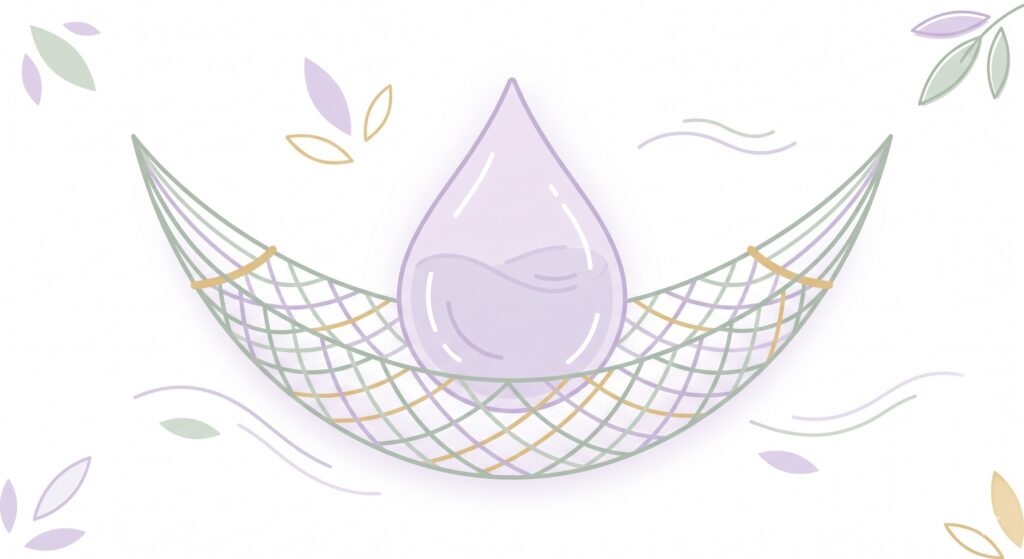
In simple terms, bladder prolapse (clinically known as a cystocele) happens when the bladder shifts downward from its usual home. Your pelvic organs are supported by a beautiful, complex network of muscles, ligaments, and fascia—like a supportive hammock.
When that hammock gets stretched, fatigued, or subjected to chronic pressure, the bladder can gently press against the vaginal wall. This is what creates that unmistakable feeling of heaviness, especially after you’ve been on your feet all day or carrying your toddler around.
3. Why “Just Do Kegels” is Terrible Advice
If you mention these symptoms to a standard healthcare provider, you might get handed a pamphlet and told to “just do your Kegels.” We need to throw that advice out the window.
Prolapse is rarely just about weak muscles. Often, it’s an issue of pressure management within your core. If you are holding your breath when you lift your baby, or if your pelvic floor is actually too tight and overworked, doing hundreds of Kegels can actually make your symptoms worse.
4. The Nervous System and Whole-Body Connection
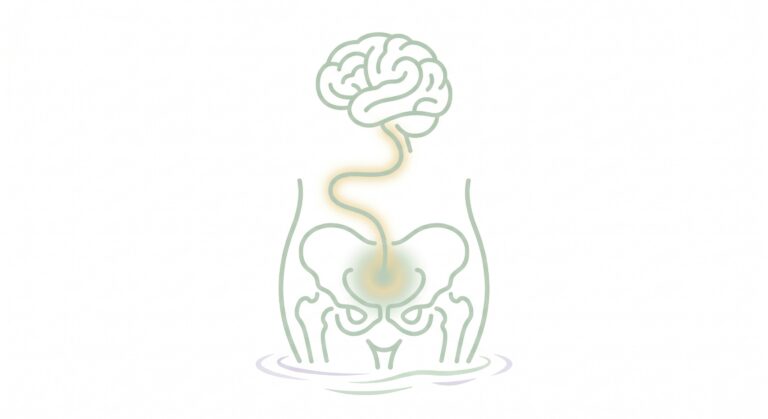
Your pelvic floor doesn’t exist in a vacuum; it is intimately connected to your nervous system and your breathing. When we live in a state of chronic stress or “fight or flight”—which is incredibly common for mothers—our breathing becomes shallow.
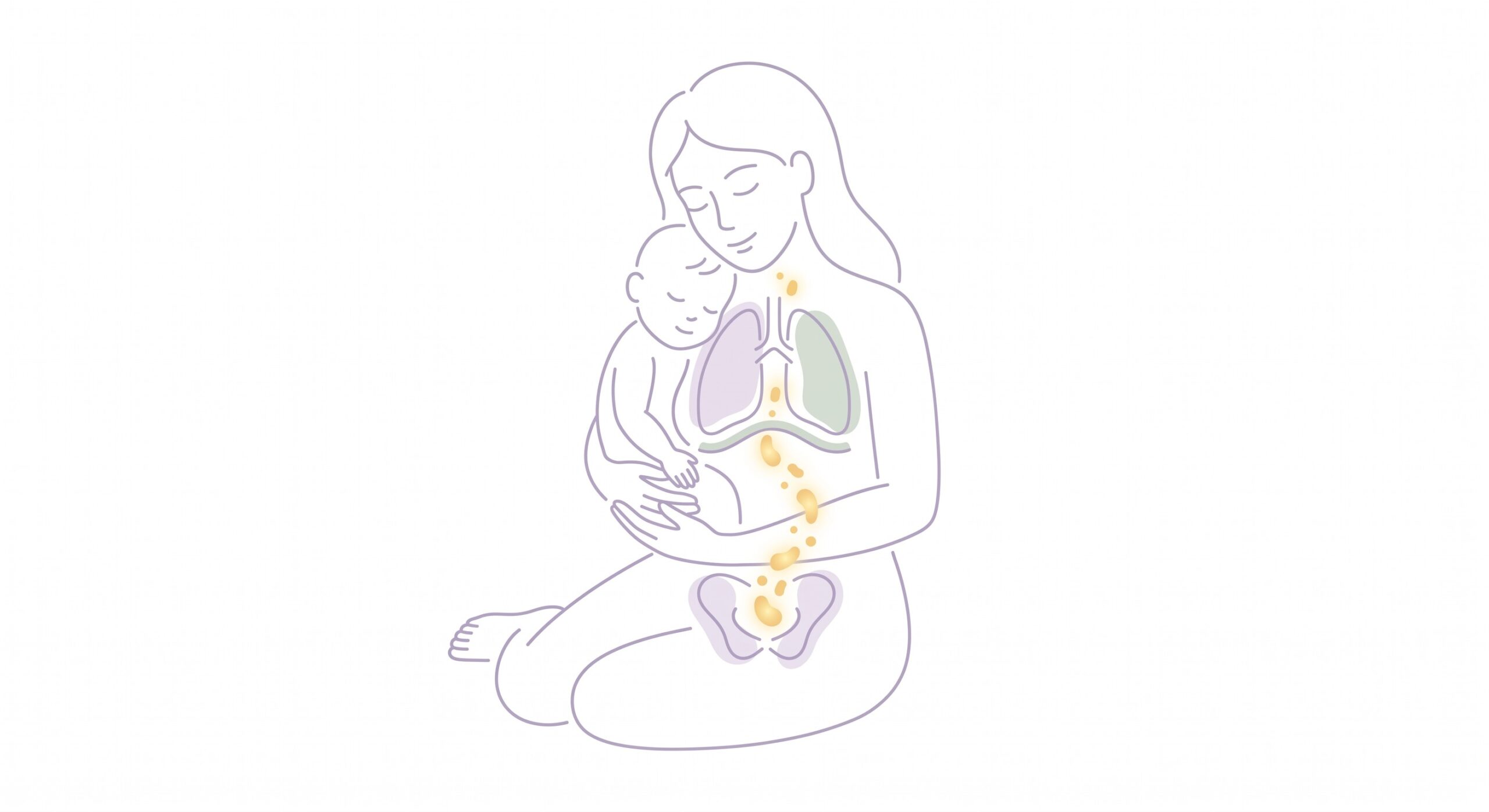
When you don’t take deep, nourishing breaths, your diaphragm can’t naturally massage and stretch your pelvic floor. Regulating your nervous system is step one in healing. By learning to calm your body and breathe dynamically, we can reduce the pressure bearing down on your bladder and teach your pelvic floor to respond properly when you move, cough, or lift.
5. The Boutique Difference: Healing at Your Pace
In standard insurance-based clinics, you often get 15 rushed minutes with a provider, treating you like an assembly line. Healing a prolapse requires looking at the whole picture—how you walk, how you breathe, and how you pick up your baby.
That’s why our cash-based model focuses entirely on unhurried, 60-minute, 1-on-1 sessions. We have the time to look at your entire body, assess your nervous system, and create a roadmap to healing that actually fits into your real life.
And because we know childcare is one of the biggest barriers to getting the care you deserve, your baby is always welcome here. We can even use your session to practice exactly how you lift and carry your little one, ensuring your pelvic floor is supported in the real world.
Dealing with bladder prolapse can feel isolating and overwhelming, but you do not have to live with fear or discomfort forever. By addressing your nervous system, your breathing, and your movement patterns, we can help you get back to living confidently—without the heaviness.
Ready to find relief and get to the root cause of your symptoms? Reach out today to schedule your comprehensive, 60-minute evaluation with Lacey. Bring your baby, take a deep breath, and let’s start your healing journey.

Disclaimer: This post is for educational and informational purposes only and does not constitute medical advice. Always consult with a qualified healthcare professional regarding your specific symptoms.