Small Shifts, Deep Healing: How Your Daily Habits Shape Your Pelvic Floor
Struggling with pelvic floor issues? Discover how daily habits, breathing, and nervous system regulation impact your healing journey. You aren’t broken.
1. It’s Not Just in Your Head
If you’ve been struggling with leaking, pelvic pain, or a heavy sensation that just won’t go away, you might be feeling incredibly frustrated. You might have even been told by other providers that “everything looks normal” or that you just need to try harder. Let’s clear the air right now: your symptoms are real, and you are not broken. Often, the missing piece in pelvic floor recovery isn’t a magical exercise. Instead, the secret lies in what you do during the other 23 hours of your day. How you move, how you breathe, and how you manage stress all play a massive role in your healing journey.
2. The Problem with the “Quick Fix”
In traditional, insurance-driven healthcare models, visits can feel like a rushed assembly line. You might get 15 minutes with a provider who hands you a generic sheet of exercises and sends you on your way. This is why so many women are told to “just do Kegels” and then wonder why they aren’t getting better.
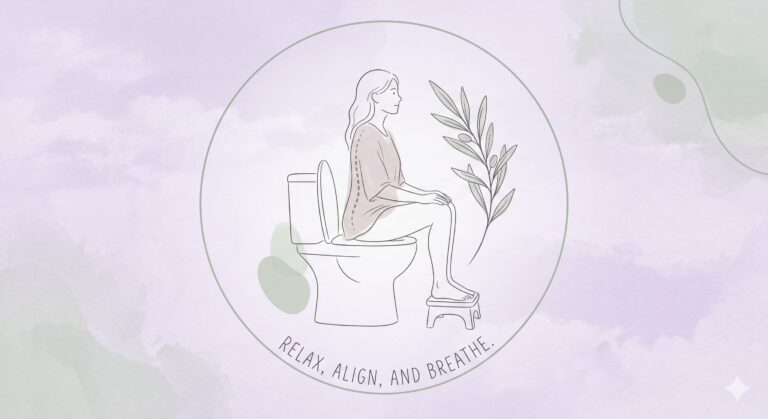
Pelvic health is far too complex for a one-size-fits-all approach. As a Pelvic Floor Occupational Therapist, I look at your occupations—the actual, everyday things you do. Whether it’s how you lift your car seat, how you sit at your desk, or how you hold your breath when you’re stressed, these daily micro-habits are constantly sending signals to your pelvic floor.
3. Your Pelvic Floor and Your Nervous System
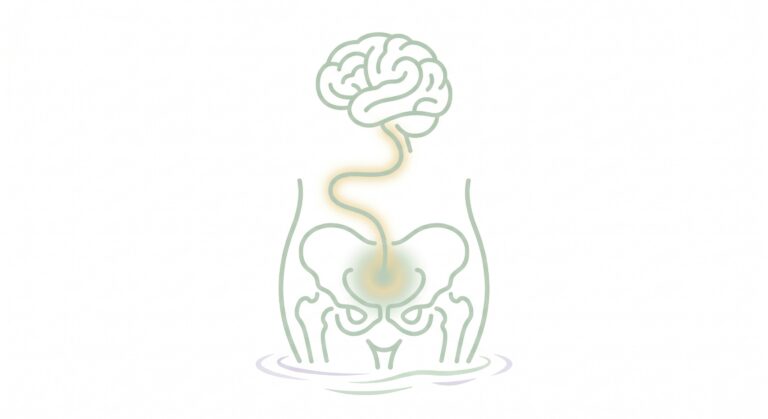
You cannot separate your pelvic floor from the rest of your body, and you certainly can’t separate it from your nervous system. Your pelvic floor muscles are highly reactive to stress and emotion.
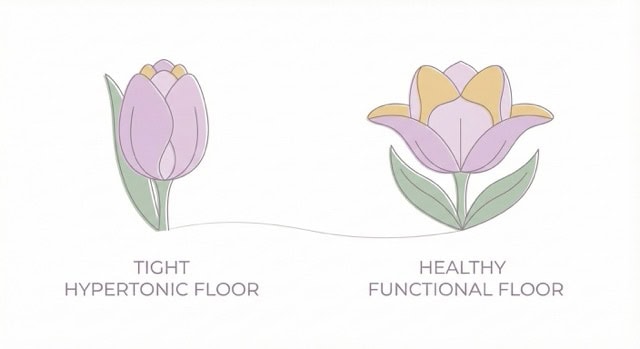
When you are constantly rushing, sleep-deprived, or overwhelmed, your nervous system gets stuck in “fight or flight” mode. This chronic state of high alert often causes the pelvic floor muscles to unconsciously clench and tighten. Over time, this daily tension can lead to pain, urgency, and dysfunction.
True healing requires us to zoom out. We have to look at how we can help your nervous system shift back into “rest and digest” mode through daily habits, intentional breathing, and mindful movement.

4. The Power of a Premium, Unhurried Approach
Healing takes time, and it requires a safe space where you feel truly heard. This is exactly why our clinic operates outside the traditional insurance model. We believe you deserve full, 60-minute, one-on-one sessions where we can dive deep into your daily life without one eye on the clock.
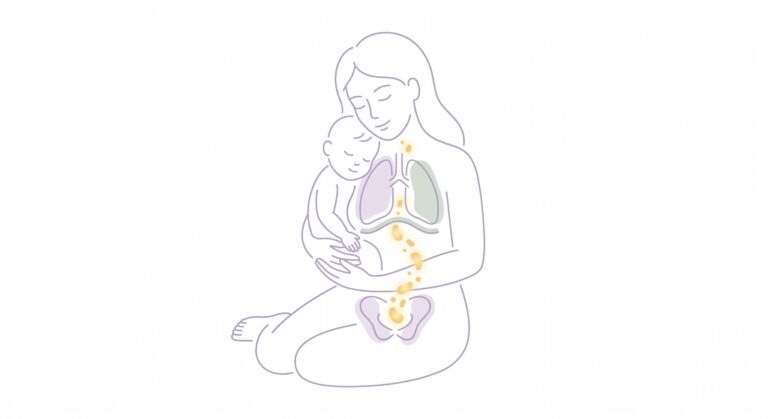
We take the time to map out your day and find small, realistic shifts that support your pelvic health. And because we know the realities of motherhood, our clinic is proudly baby-friendly. You never have to choose between getting the care you deserve and caring for your little one—bring them along, and we will work with your real life, right down to analyzing how you feed and carry your baby.
5. Conclusion: Ready to Look at the Big Picture?
Your daily habits hold incredible power over your health outcomes. By making small, sustainable shifts in how you breathe, move, and regulate your nervous system, you can create an environment where your pelvic floor can finally heal.
If you’re tired of rushed appointments and generic advice, we are here to offer a different path. Let’s uncover the habits that will lead you back to feeling strong, confident, and pain-free.
If you’ve been doing Kegels diligently with no results, or if you feel pain and tension in your pelvis, it might be time to stop squeezing and start assessing.
You deserve care that looks at the whole picture—your muscles, your nervous system, and your life as a mom.

Disclaimer: The information in this blog post is for educational and informational purposes only and does not constitute medical advice. Please consult with a qualified healthcare professional or pelvic floor therapist for an individualized assessment and treatment plan.