Why Does My Bladder Hurt? Finding Real Relief for Painful Bladder Syndrome
Struggling with bladder pain, pressure, or constant urgency? It’s not in your head. Learn how a holistic pelvic floor OT approach helps you find lasting relief.
1. It’s Not Just in Your Head (And You Aren’t Broken)
If you feel a constant, heavy pressure in your lower pelvis, a burning sensation when your bladder fills, or the sudden, frantic urge to pee even when you just went—you are not alone.
Painful Bladder Syndrome (often diagnosed as Interstitial Cystitis, or IC) is incredibly frustrating. It can make road trips terrifying, interrupt your sleep, and make intimacy feel impossible. Many women are told by well-meaning doctors that their tests are “normal” or to just drink less coffee.
But your pain is real, and it is valid. More importantly, you are not broken, and there are ways to find relief that don’t involve simply “living with it.”
2. Understanding Painful Bladder Syndrome
Painful Bladder Syndrome is exactly what it sounds like: a chronic condition causing bladder pressure, bladder pain, and sometimes pelvic pain.
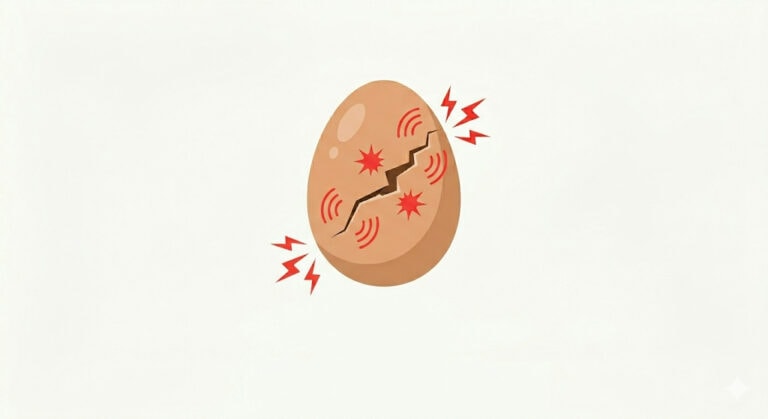
While a traditional urinary tract infection (UTI) is caused by bacteria, PBS/IC happens when the lining of the bladder becomes irritated or inflamed without an infection present. When this happens, the signals between your bladder and your brain get crossed. Your bladder starts screaming “I’m full!” when it barely has a few drops of fluid in it.
Here is the truth that many traditional medical settings miss: the root cause often lies in the muscles surrounding the bladder—your pelvic floor.
3. The Missing Link: Your Nervous System
We cannot talk about bladder pain without talking about your nervous system.
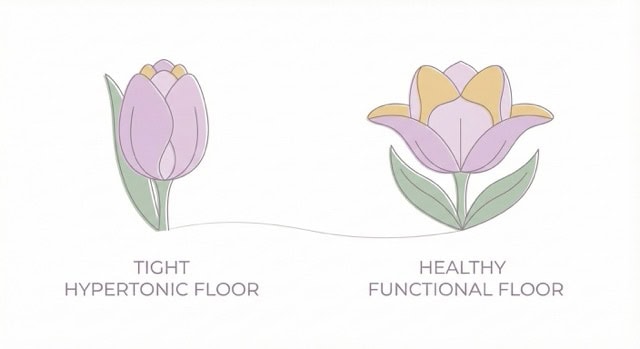
When you are in chronic pain, your nervous system gets stuck in “fight or flight” mode. Your body perceives the bladder irritation as a threat, and as a protective response, it clenches the pelvic floor muscles. Over time, these muscles become hypertonic (too tight).
Tight pelvic floor muscles press directly against the bladder and urethra. This creates a vicious cycle: the bladder hurts, the muscles tighten to guard the area, the tight muscles cause more pressure on the bladder, and the pain increases.
This is exactly why doing Kegels is often the worst thing you can do for bladder pain. If your muscles are already clenching, tightening them further will only add fuel to the fire. Instead, we need to teach your nervous system that it is safe to let go.
4. The Boutique Difference: Time to Unpack the Pain
In a standard, insurance-based clinic, you might get 15 minutes with a provider. That “assembly line” model simply doesn’t work for something as complex and deeply personal as pelvic pain.
At our clinic, we step out of the rush. Every session is a full 60 minutes, entirely one-on-one.
As an Occupational Therapist, I don’t just look at your bladder. We look at the whole picture: how you breathe, how you manage daily stress, your posture while nursing your baby, and how your nervous system responds to triggers. We work hands-on to release the tension in your pelvic bowl, but we also equip you with the tools to regulate your nervous system at home.
And because we know exactly what season of life you are in, your baby is always welcome here. If we need to pause a session so you can nurse, bounce, or comfort your little one, we do. Healing happens best when you feel completely supported, unhurried, and at ease.
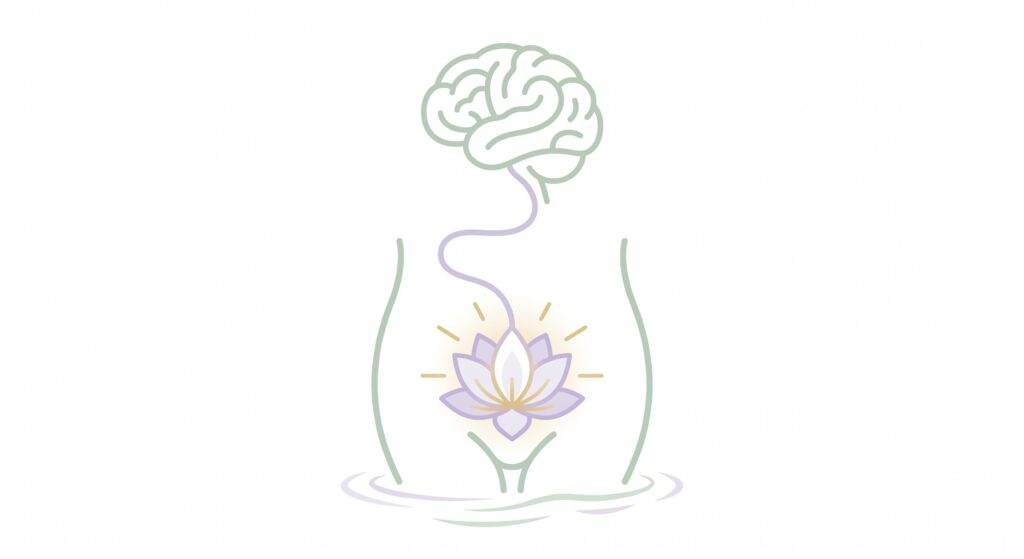
Living with Painful Bladder Syndrome can feel exhausting and isolating, but it doesn’t have to be your forever reality. By addressing the whole body—the tight muscles, the breathing patterns, and the nervous system—we can help quiet the alarms and restore comfort to your daily life.
Ready to stop planning your life around bathroom breaks? Reach out today to book your comprehensive evaluation. We’ll take the time to listen to your story, assess your whole body, and create a roadmap to healing together.
.
You deserve care that looks at the whole picture—your muscles, your nervous system, and your life.

Disclaimer: This post is for educational and informational purposes only and does not replace personalized medical advice. Always consult with a qualified healthcare provider for an accurate diagnosis and treatment plan.