
Always Running to the Bathroom? Why Peeing “Just in Case” is Making the Problem Worse
Feel like your bladder is running your life? Discover how frequent bathroom trips actually retrain your bladder to hold less—and how to fix it.
It starts innocently enough. You’re about to hop in the car, or you’re just finishing up a feed with your baby, and you think, “I should probably just go pee before I leave.”
But lately, that “just in case” pee has turned into an all-day habit. You know exactly where every public restroom is. You feel a sudden, frantic urge to go even when you just went 45 minutes ago.
First, let’s breathe: You aren’t broken, and this isn’t just something you have to live with. What you are experiencing is a very common, very frustrating cycle where teaching your bladder to empty early actually retrains it to hold less.
The Bladder Cycle: How We Accidentally Shrink Our Capacity
Your bladder is a muscular pouch that expands like a balloon as it fills with fluid. Under normal circumstances, it communicates gently with your brain, giving you a quiet heads-up when it’s about half full.
When you start peeing “just in case”—or running to the bathroom the very second you feel a tiny flicker of an urge—you change the rules of the game.
By constantly emptying a half-empty bladder, you accidentally teach your nervous system that this lower volume is your new maximum limit. Over time, the bladder muscle loses its stretch, and your brain starts triggering high-alert panic signals at smaller and smaller amounts of urine.
It’s Not Just a Bladder Issue—It’s a Nervous System Issue
Your pelvic floor doesn’t work in a vacuum. It is deeply connected to your nervous system.
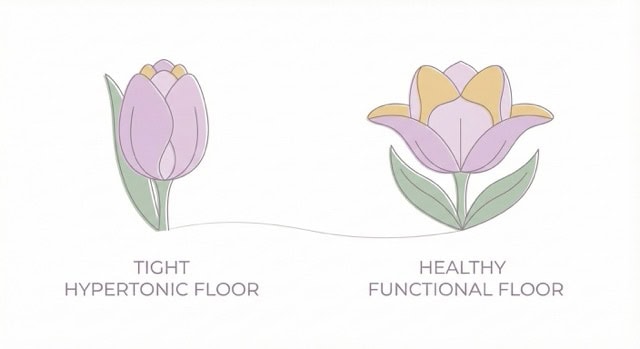
When you are stressed, rushing, or constantly anxious about leaking, your body slips into a “fight or flight” state. This chronic tension causes the pelvic floor muscles to tighten up and stay tight.
Tight muscles are weak, irritable muscles. A tense pelvic floor constantly presses against the bladder, mimicking that sudden, intense urge to pee, even if there are only a few drops inside.

Why “Just Do Kegels” Won’t Fix It
If you’ve been told to just squeeze your pelvic floor muscles to stop the urge, you might actually be adding fuel to the fire. If your muscles are already hyper-tight and overactive, squeezing them harder won’t help them relax and support your bladder properly.
True healing requires a holistic approach:
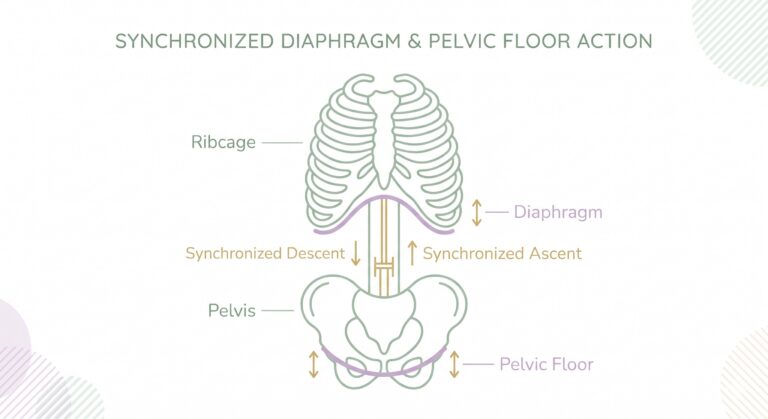
- Learning how to diaphragmatically breathe to drop pelvic floor tension.
- Calming the nervous system so your brain stops misinterpreting normal bladder filling as an emergency.
- Gently retraining your bladder habits without the stress.
You don’t have to plan your entire day around the nearest restroom, and you don’t have to navigate this alone.
At our clinic, we do things differently. Our holistic, cash-based approach means you get 60-minute, unhurried, 1-on-1 sessions tailored entirely to your body’s unique story. No assembly lines, no rushed templates. And because we are completely baby-friendly, you are always welcome to bring your little one along with you.
Let’s help you retrain your bladder and get your freedom back.
.
You deserve care that looks at the whole picture—your muscles, your nervous system, and your life as a mom.

Disclaimer: This content is for informational and educational purposes only and does not substitute for professional medical advice, diagnosis, or treatment.