The Hidden Link: How Anxiety and Stress Fuel Pelvic Pain
Struggling with pelvic pain that gets worse when you’re stressed? Discover the powerful connection between your nervous system and your pelvic floor, and how our holistic OT approach can help.
1. It’s Not Just in Your Head
If you’ve ever noticed your pelvic pain flaring up after a stressful week, you are not imagining things. For so many women, the frustration of cyclical, unpredictable pain can feel incredibly isolating. You might even have been told by a provider that your pain is “all in your head” or just a normal part of motherhood.
Let’s clear that up right now: your pain is real, and you are not broken.
There is a very real, anatomical reason why a tough day at work, sleep deprivation, or the general chaos of life makes your pelvic floor scream. It all comes down to how your body processes stress.
2. The Nervous System Connection
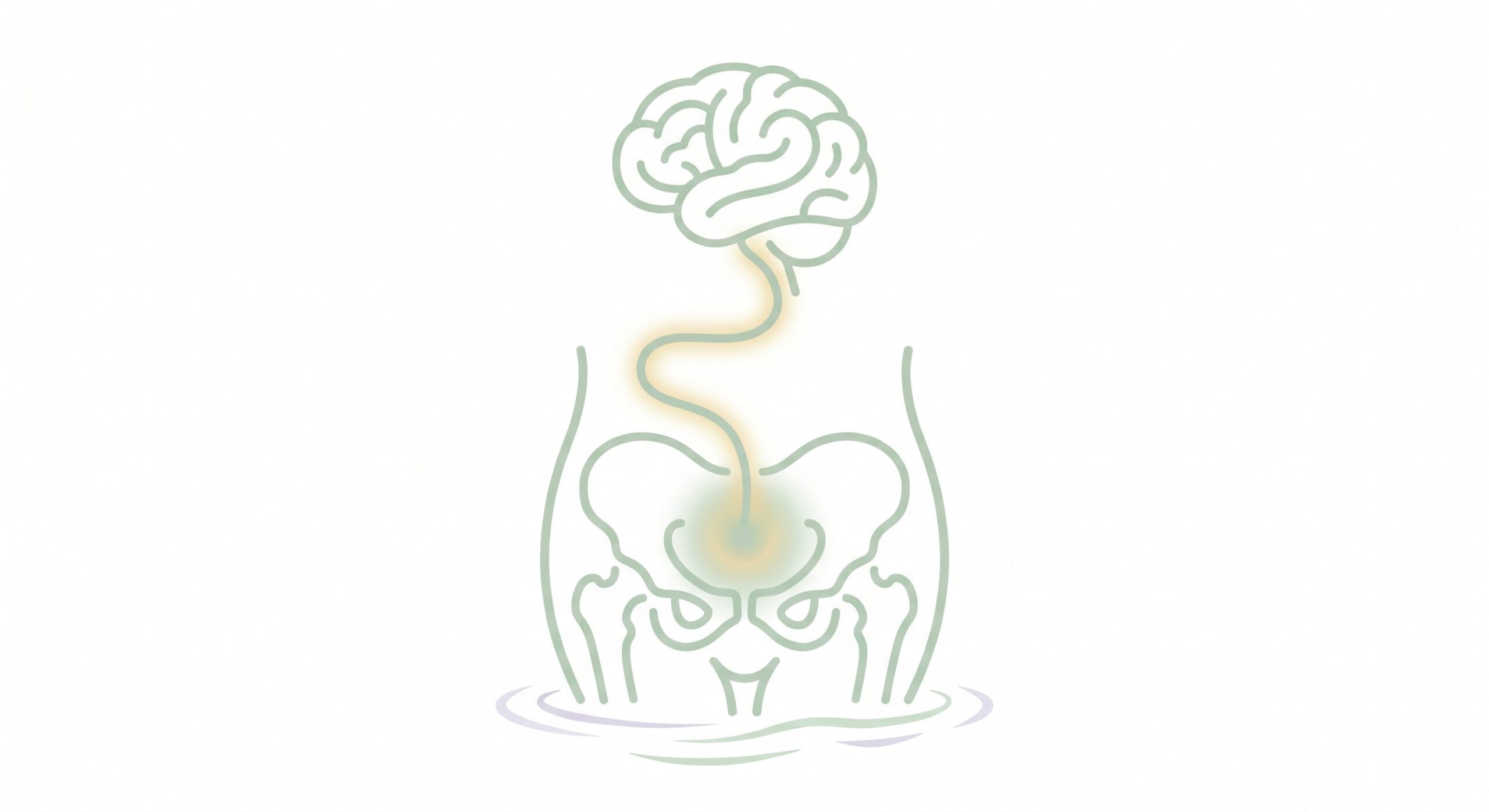
To understand pelvic pain, we have to look at the whole body—specifically, your nervous system. When you experience anxiety or stress, your brain shifts into a “fight-or-flight” response. This is a survival mechanism designed to protect you from danger.
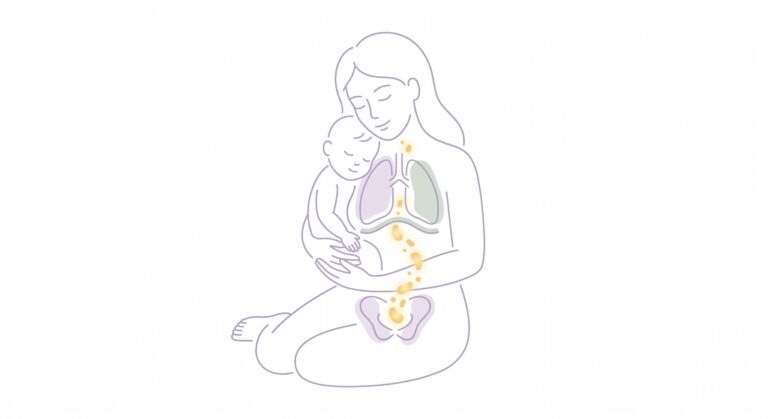
When this happens, your body instinctively braces itself. Your breathing becomes shallow, your jaw clenches, and—without you even realizing it—your pelvic floor muscles tighten up, too. We call this “pelvic guarding.”
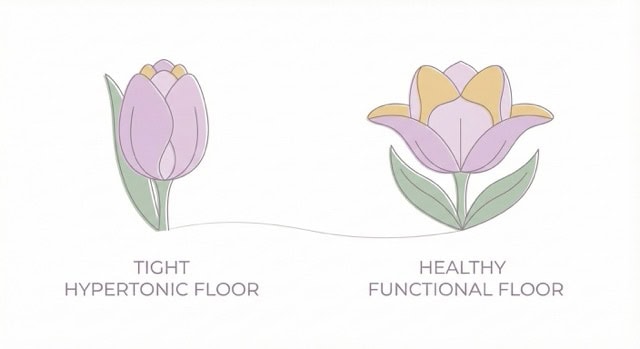
If you are constantly running on high stress, those muscles never get the signal to let go and relax. Over time, this chronic clenching leads to restriction, reduced blood flow, and sharp, aching pain.
3. Why “Just Do Kegels” Makes It Worse
You’ve probably heard that the answer to any pelvic floor issue is to just do your Kegels. But if your pain is driven by anxiety and a clenched, overactive pelvic floor, doing Kegels is the absolute last thing you should do.
Imagine holding a tight bicep curl all day long, and then someone telling you to squeeze it even harder. It would hurt!
Healing an anxious, tight pelvic floor isn’t about strengthening; it’s about learning how to release, lengthen, and restore mobility.
4. A Premium, Unhurried Space to Heal
Healing a nervous system that is stuck in “high alert” takes time, patience, and a calm environment. You simply cannot do that in a rushed, 15-minute assembly-line medical appointment.
At our clinic, we do things differently. Every session is a full 60 minutes, one-on-one with Lacey. This unhurried time allows us to look at your whole body. We evaluate how your breathing patterns, daily habits, and stress levels are directly impacting your pelvic floor.
We work together to calm your nervous system first, creating a safe foundation for your body to finally let go of the tension it has been holding onto.
5. Bring Your Baby, Leave the Stress
We know that finding childcare can be just another source of anxiety, especially for new moms. Please know that this is a baby-friendly space.
Whether you need to feed your little one, rock them, or just let them play on the mat while we work, they are always welcome here. We want your therapy time to be a deep exhale, not another stressful item on your to-do list.
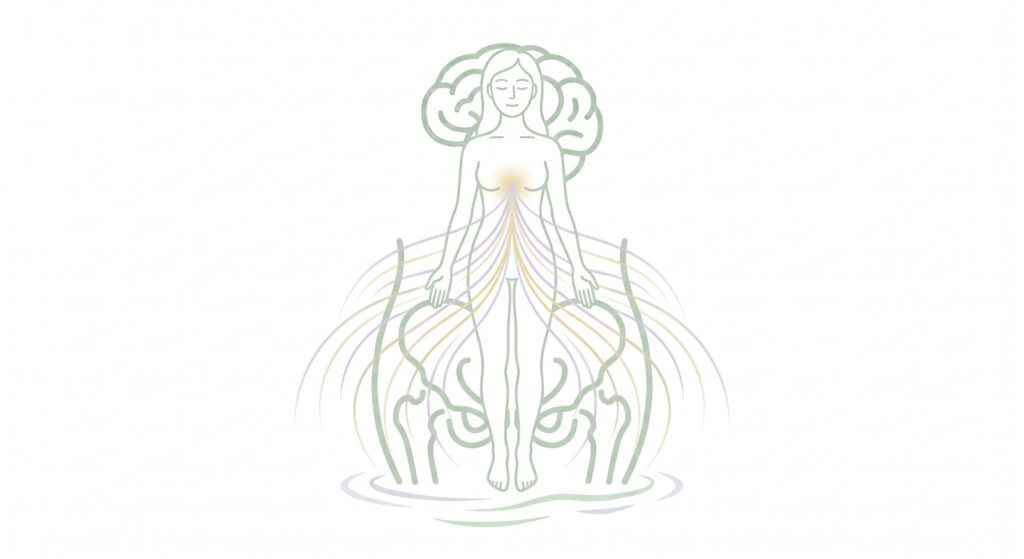
Your pelvic floor is deeply connected to your emotional well-being, and trying to heal one without addressing the other rarely works. If you are tired of living with pain and are ready for a compassionate, whole-body approach to healing, we are here for you.

(Disclaimer: This post is for informational purposes only and does not substitute for professional medical advice, diagnosis, or treatment. Always consult with a qualified healthcare provider regarding your specific condition.)