
Why “Just Breathe” Actually Matters: The Secret to Pelvic Floor Healing
Struggling with pelvic pain or leaks? Discover why diaphragmatic breathing is the foundation for healing your pelvic floor and calming your nervous system.
1. It’s Not Just in Your Head—and It’s Not Just “Down There”
If you’ve been navigating pelvic pain, heaviness, or leaking, you might have heard someone tell you to “just breathe.” It can feel incredibly dismissive, especially when you are dealing with real, physical symptoms that impact your daily life. You are not broken, and your frustration is entirely valid.
But what if the way you breathe holds the key to unlocking the tension in your body?
As a Pelvic Floor Occupational Therapist, I often see patients who have been told to “just do Kegels” to fix their issues. But the truth is, you cannot strengthen a muscle that is already exhausted and tightly gripped. Healing begins not with clenching, but with yielding. And that starts with diaphragmatic breathing.
2. The Diaphragm and Pelvic Floor: A Beautiful Dance
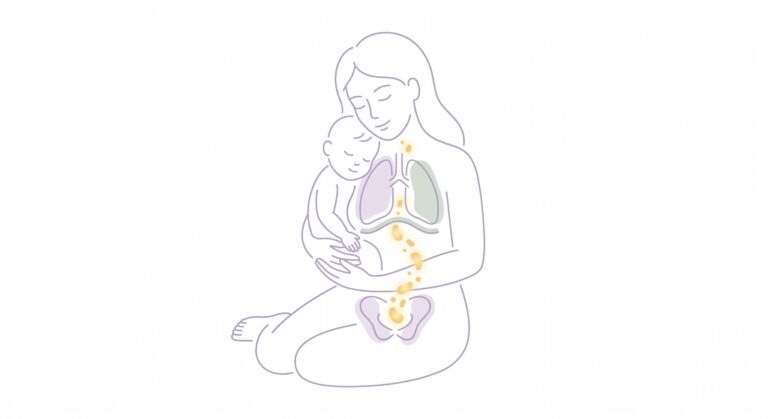
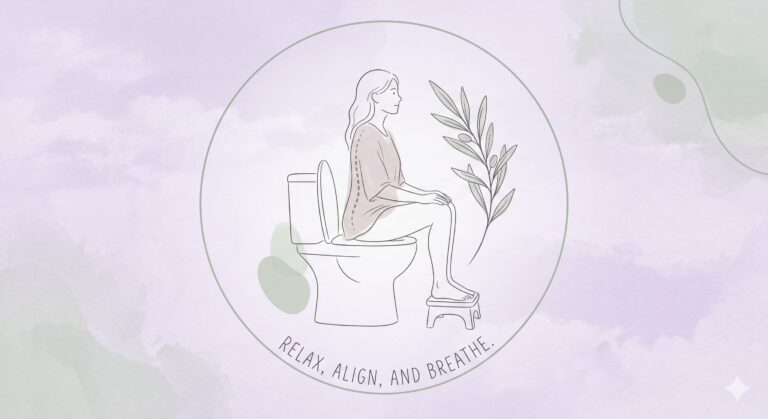
Think of your core as a canister. The top of the canister is your diaphragm (your primary breathing muscle, sitting right under your ribs), and the bottom is your pelvic floor.
When you take a deep, true diaphragmatic breath, your ribs expand outward like an umbrella opening. Your diaphragm lowers, making room for air. Because of the pressure change in your “canister,” your pelvic floor must gently stretch and lower right alongside it. When you exhale, the diaphragm naturally recoils upward, and the pelvic floor follows.
They are meant to move together in a continuous, beautiful dance. When we constantly chest-breathe or suck our stomachs in, that piston system freezes. The pelvic floor gets stuck in a rigid, tense state, leading to pain, urgency, and dysfunction.
3. The Missing Link: Calming Your Nervous System
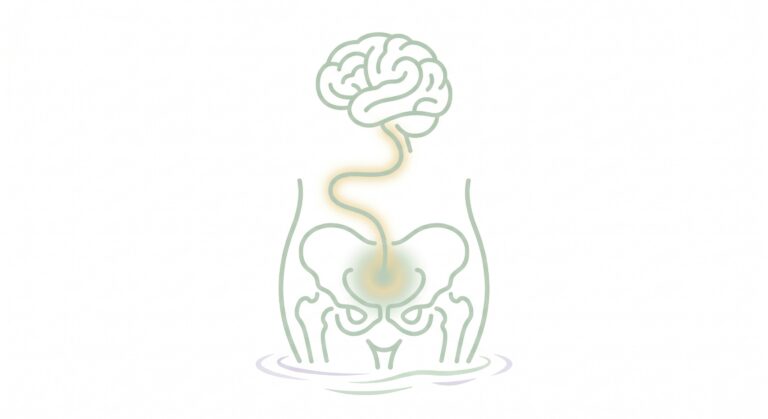
We cannot talk about the pelvic floor without talking about the nervous system. As moms and busy women, we spend so much of our day in “fight or flight” mode.
When your nervous system is in overdrive, your body naturally clenches to protect itself. For many women, that tension goes straight to the jaw, the shoulders, and the pelvic floor. Diaphragmatic breathing is the quickest, most profound way to signal to your brain that you are safe.
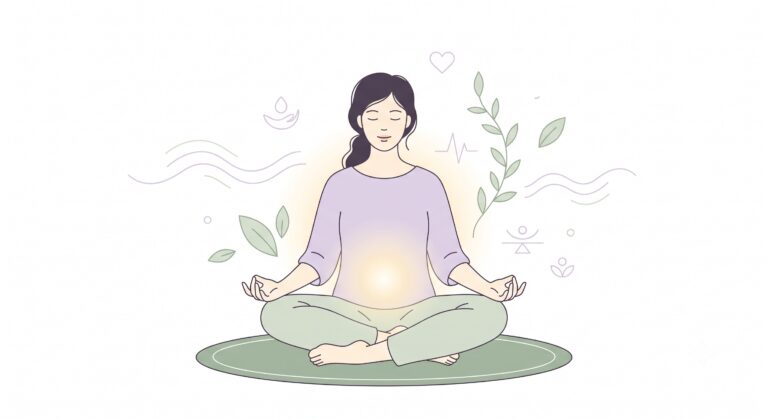
By taking slow, deep, 360-degree breaths, you stimulate the vagus nerve. This shifts your body from “fight or flight” (sympathetic) into “rest and digest” (parasympathetic). When your nervous system finally exhales, your pelvic floor can finally let go.

4. The Unhurried Approach to Healing
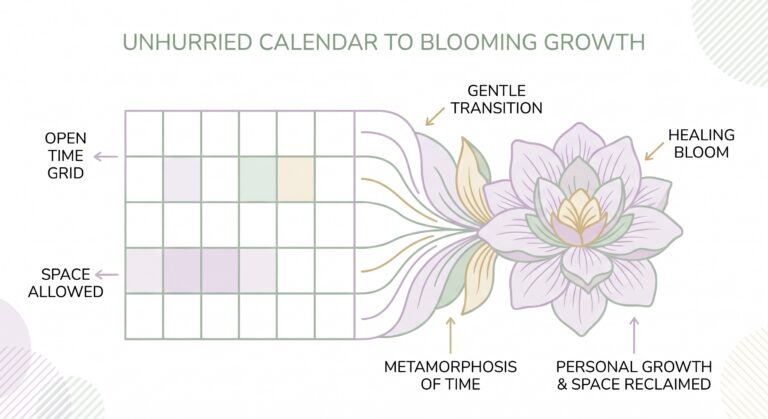
Learning to breathe again sounds simple, but it is rarely easy to do alone. In traditional, insurance-driven “assembly line” clinics, you might get 15 rushed minutes with a provider who hands you a sheet of exercises. That environment alone is enough to spike your nervous system!
Here, we do things differently. In our 60-minute, one-on-one sessions, we actually have the time to look at your whole body. We evaluate your ribs, your posture, your breathing mechanics, and your daily routines. We create a premium, unhurried space where your nervous system can actually down-regulate.
And because we know the realities of motherhood, your baby is always welcome to come with you. You don’t have to choose between finding childcare and finding healing.
Ready to Exhale?
Your pelvic floor does so much to support you. It’s time to give it the support—and the breath—it deserves. If you are ready to move beyond “just do Kegels” and find true, holistic healing, we are here for you.
Let’s get you back to living comfortably in your own body.

Disclaimer: This post is for educational and informational purposes only and does not constitute medical advice. Please consult with a qualified healthcare professional for personalized recommendations.