
The Secret to Sneezing Without Leaking: Why “Quick Flicks” and Fast-Twitch Muscles Matter
Tired of leaking when you sneeze or laugh? Discover how pelvic floor “quick flicks” train your fast-twitch muscles for better support and confidence.
1. The Sneeze That Changes Everything
We have all been there—enjoying a great laugh with a friend, or suddenly hit by a rogue sneeze, only to feel that dreaded little leak. Whether you are chasing a toddler around the park or just trying to survive allergy season, constantly worrying about stress urinary incontinence is exhausting.
If you find yourself crossing your legs every time you feel a cough coming on, please know that you aren’t broken. Leaking under physical pressure is incredibly common, especially postpartum, but it absolutely does not have to be your forever normal.
At OC Pelvic Wellness, we hear this struggle every day. It is completely valid to feel frustrated when your body doesn’t react the way it used to, but your pelvic floor can relearn how to support you.
2. Why “Just Do Kegels” Isn’t Enough
If you’ve mentioned leaking to a traditional medical provider, you might have experienced the frustrating 15-minute assembly-line appointment. You are often handed a generic printout, told to “just do Kegels,” and rushed out the door.
But traditional Kegels usually focus on endurance—holding a contraction for a long time. While endurance is important for keeping you dry on a long car ride, it doesn’t help when you sneeze. A sneeze happens in a fraction of a second, meaning you need speed, not just stamina.
We believe your care should be as nuanced as your body. During our unhurried, 60-minute, 1-on-1 sessions, we have the time to evaluate exactly which muscle fibers need support, ensuring you aren’t wasting your energy on the wrong exercises. Plus, our space is fully baby-friendly, so you never have to scramble for childcare to get the healing you deserve.
3. Enter the “Quick Flick”
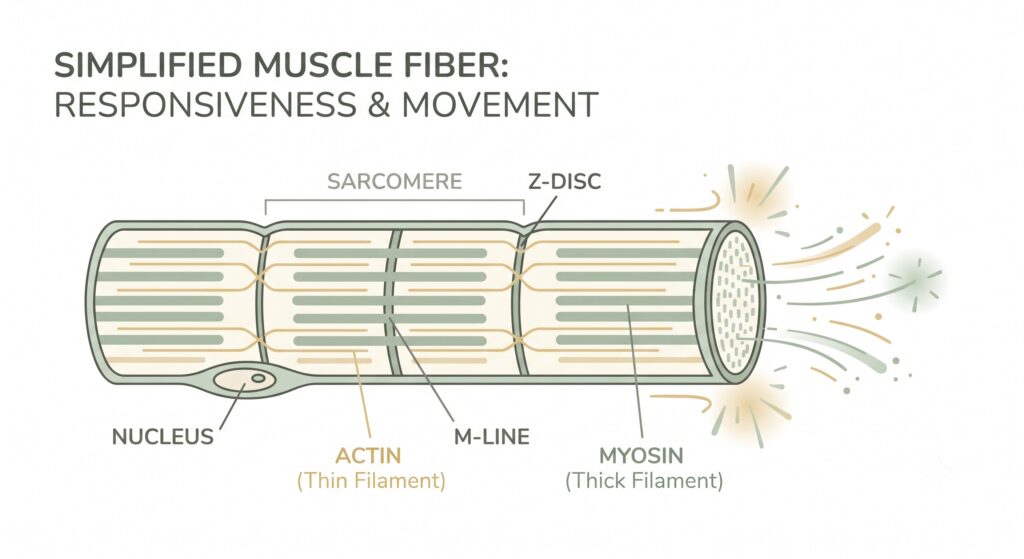
Your pelvic floor is made of two main types of muscle fibers: slow-twitch (for endurance) and fast-twitch (for speed and power). When you lift a heavy car seat or laugh out loud, those fast-twitch muscles need to fire instantly to close off the urethra and prevent a leak.
This is where “quick flicks” come in. A quick flick is a rapid, strong pelvic floor contraction followed by an immediate, complete release. By isolating and practicing this rapid on-and-off movement, you are directly training your fast-twitch fibers to act as a responsive safety net.
4. The Whole-Body and Nervous System Connection
However, a muscle can only contract quickly if it is fully relaxed first. Think of trying to catch a falling glass when your fist is already tightly clenched—you wouldn’t be able to move fast enough.
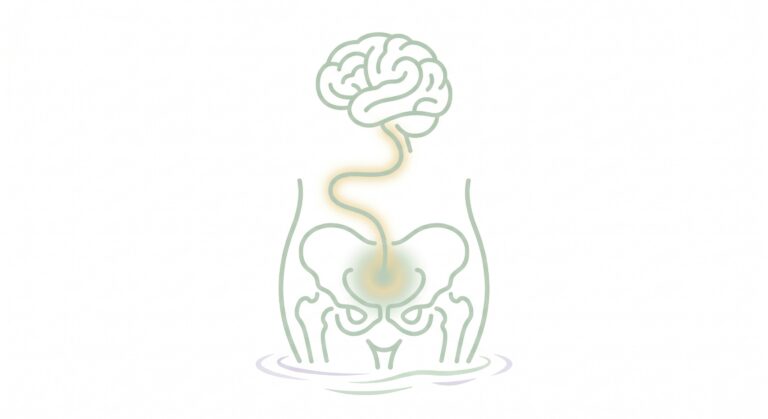
If your nervous system is stuck in a stressed, “fight or flight” sympathetic state, your pelvic floor is likely holding onto chronic tension. We cannot train fast-twitch muscles effectively until we regulate the nervous system and guide your body back into a “rest and digest” parasympathetic state.
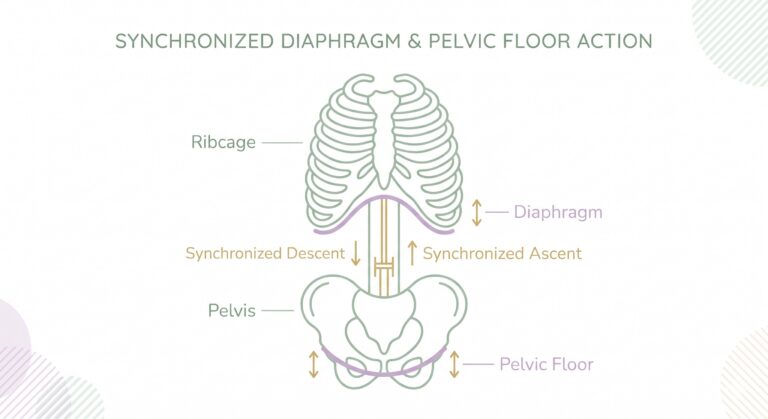
Through deep diaphragmatic breathing and whole-body movement, we teach your nervous system that it is safe to let go. Once the pelvic floor can truly relax, those quick flicks become incredibly powerful and effective.
5. Conclusion & Next Steps
Retraining your fast-twitch muscles takes consistency, and it is perfectly okay if you don’t feel coordinated right away. Healing is a process of re-establishing the mind-body connection, and you don’t have to navigate it alone.
You deserve more than rushed appointments. If you are ready for a premium, holistic approach that addresses your nervous system, your breathing, and your unique goals, we are here for you.
Ready to laugh and sneeze with confidence again? Reach out to OC Pelvic Wellness today to book your comprehensive, 1-on-1 evaluation with Lacey. Babies are always welcome, and we can’t wait to support your healing journey!

Disclaimer: This post is for informational purposes only and does not constitute specific medical advice. Always consult with a qualified healthcare provider for an individualized evaluation and treatment plan.